Lighting
is a complicated yet beautiful art of enhancing the experience one feels in a
space. Lighting today successfully has the control of our lifestyle and
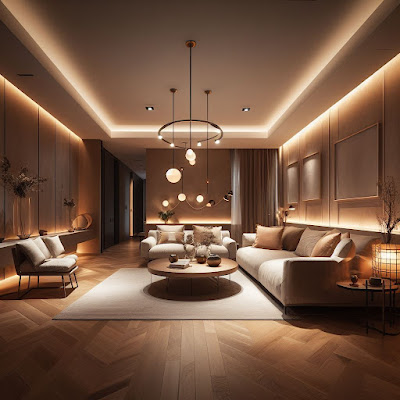
well-being. Lighting of a space is a major concern while designing or decoration of the space. The reason being, lighting not only enhances the appearance of the space but also affects the mood of the occupants inhabiting the space. Hence, lighting design of a space is planned in direct relation with the mood and function that the space has to deliver as well as with the reference to the interior design of the space.
 |
| Source: Google |
 |
| Source: Google |
The first and foremost consideration of good lighting in a
space is that, the space should have enough openings to allow the flow of
daylight. Proper natural lighting not only illuminates a space, but also adds a
lot of positivity and comfort making the air fresh and healthy. Other than
natural light, artificial lighting system needs to planned well for a space. Well-designed lighting can accentuate architectural features, interior décor, and artwork, enhancing the visual appeal of a space. By strategically illuminating key elements, lighting draws attention to focal points, creating a visually stunning and engaging environment. Appropriate lighting is essential for the functionality of a space. Adequate illumination ensures that tasks can be performed efficiently and safely. In workplaces, schools, and hospitals, proper lighting is crucial to productivity, learning, and overall well-being. Lighting also has a significant impact on human health and well-being. Natural daylight exposure positively affects our circadian rhythm, sleep patterns, and overall mood. - Considering the
atmosphere of the space
- Making the purpose of
lighting clear i.e. if it is needed for business purpose, for relaxation or so
on.
- Selecting proper light
fixture that goes well with the need and theme of a space. For instance,
selection of heavy chandelier will add a sense of luxury in a space making it
look more royal.
- Analyzing the amount of area to be illuminated
- Deciding the
illumination needed for a space and placing the lights accordingly.
.jpg) |
| Lighting in Interiors |
Lighting
is majorly divided into natural lighting and artificial lighting. Where natural
light adds illumination in a space during day time, artificial light has taken
control of our night life. Not only natural or artificial light, but light sources
like candles, oil lamps etc. even being an ancient or traditional light
sources, still add a sense of comfort to a space. Where a good lighting system
adds a positive essence in a space, bad lighting system can make a space all
depressive and dull. Improved and efficient lighting system is the most
effective element of a space to make it worth living. Planning is an initial
and most important step for a space to have a well-planned and good lighting
system.
The planning is followed by an analysis of the need of the space followed by
the selection of a proper lighting system. How light affects an interior space
depends mostly on its planning and usage hence there are certain steps to plan
lighting for a space:
Lighting changes, the whole look and identity of
a space. The type of light and the way it is used in a space has a major effect
on the ambience of the interior space. These variations are usually created
when the installation, application or way of light in an interior space are
played upon. A single space can be completely different when is analyzed before
and after planning light in it. Whether natural or artificial, lighting can add
a whole new look and ambience to a space.
From the warm glow of a bedside lamp to the dramatic lighting of a theater stage, the significance of lighting in a space cannot be overstated. Its ability to influence emotions, aesthetics, functionality, and overall well-being makes lighting a critical element of any design endeavor. Whether it's a residential sanctuary, a commercial showcase, or a public gathering place, thoughtful and skillful lighting design can transform spaces into captivating and inspiring environments that leave a lasting impression on all who enter.


.jpg)

.jpg)

Comments
Post a Comment